Legendary Trader Paul Tudor Jones on AI Risk, Bubbles and Buffett
Invest Like The Best1:11:16Apr 28, 20269 min read
Prologue
A life journey from kindness and trading to philanthropy and AI's future.
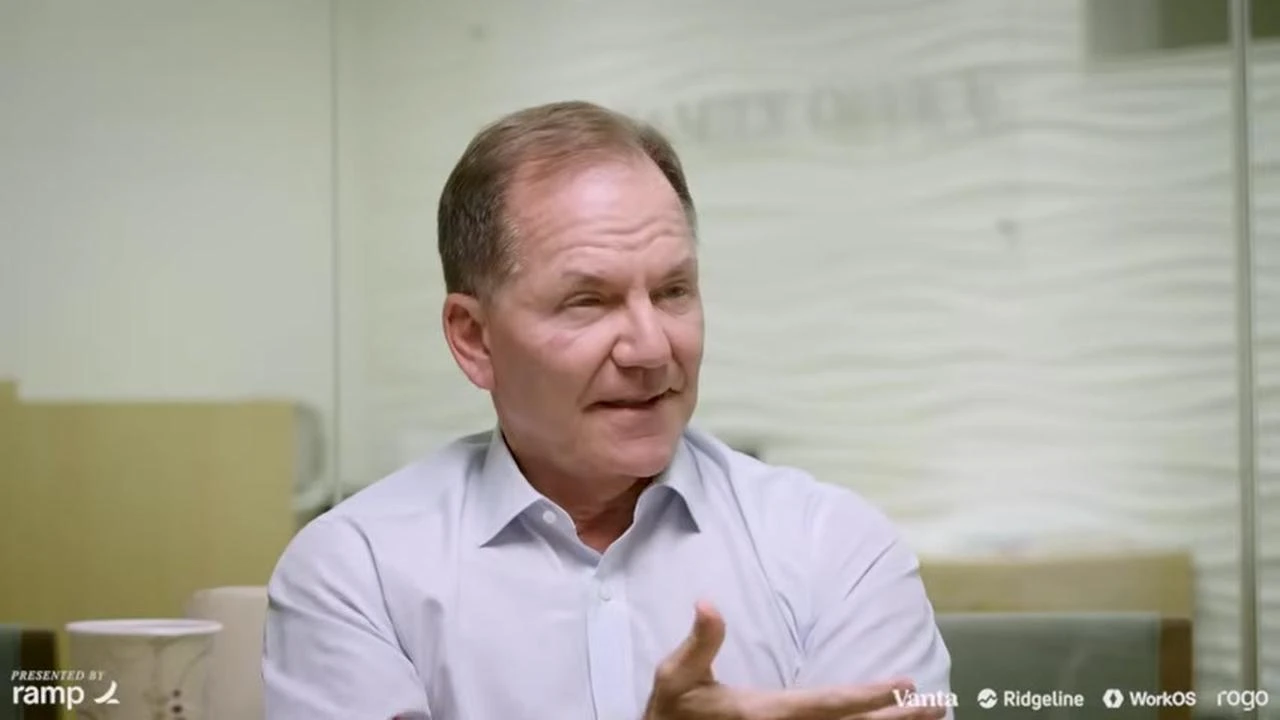
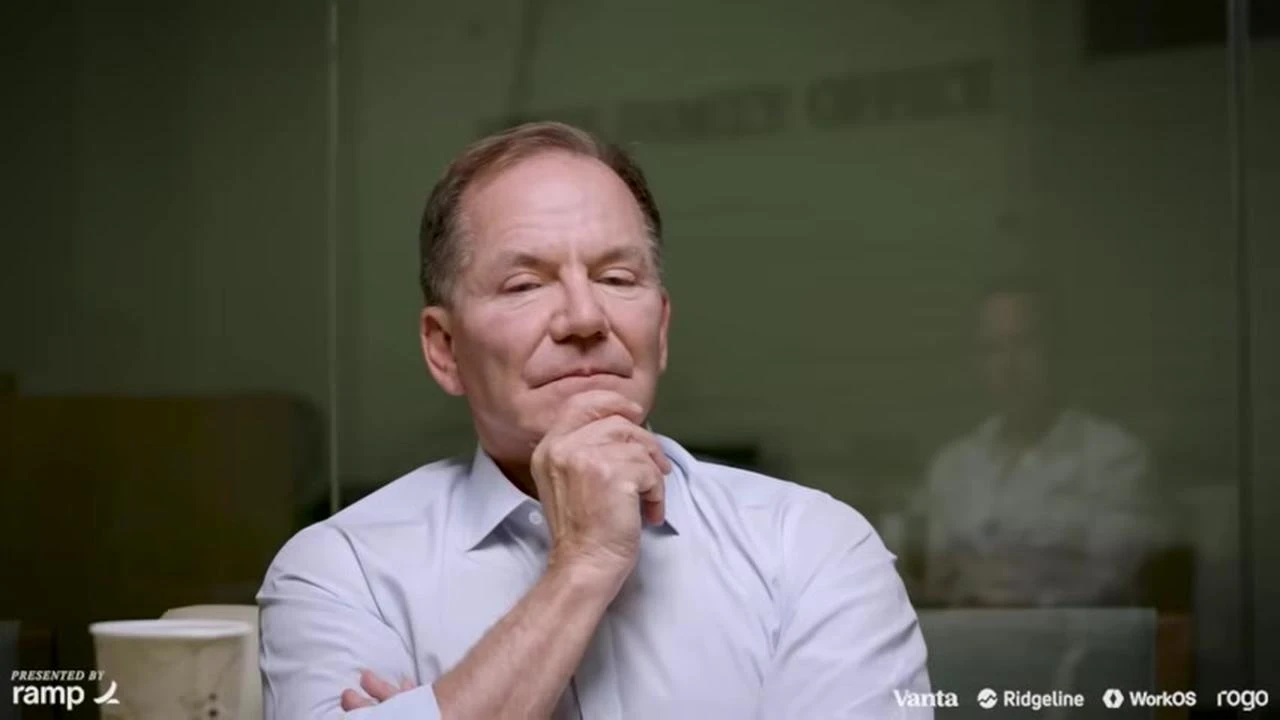
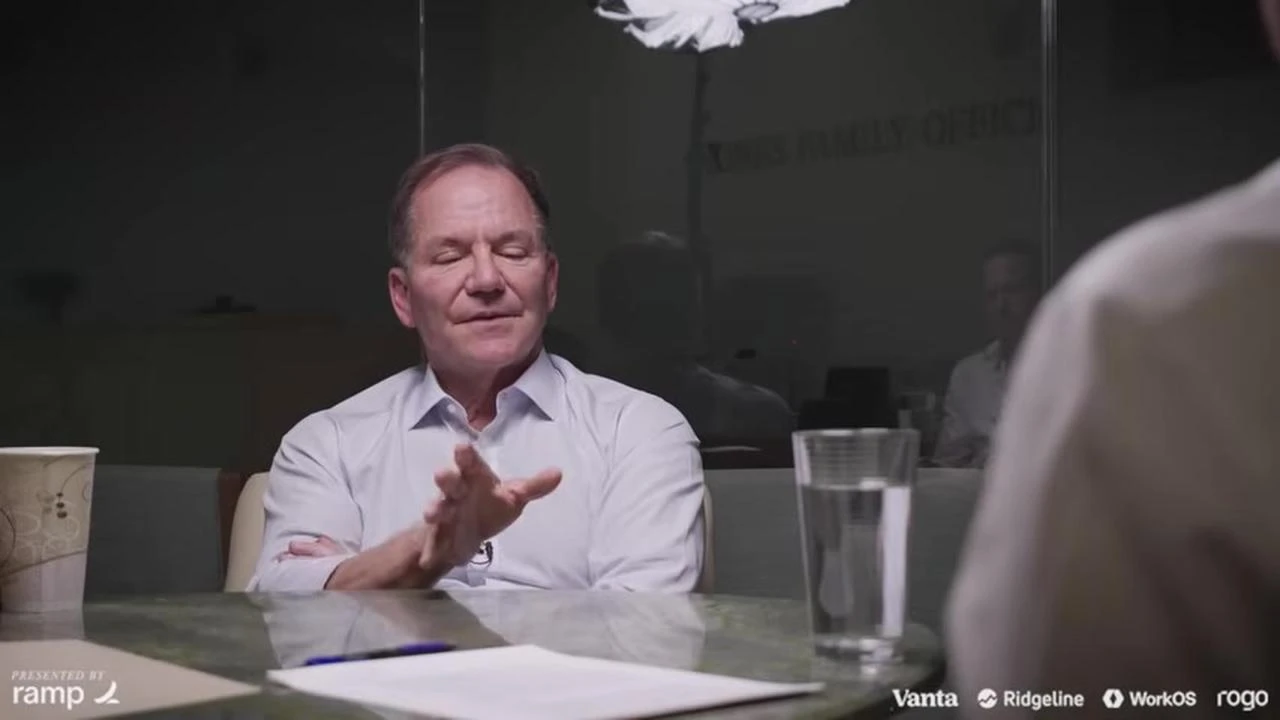
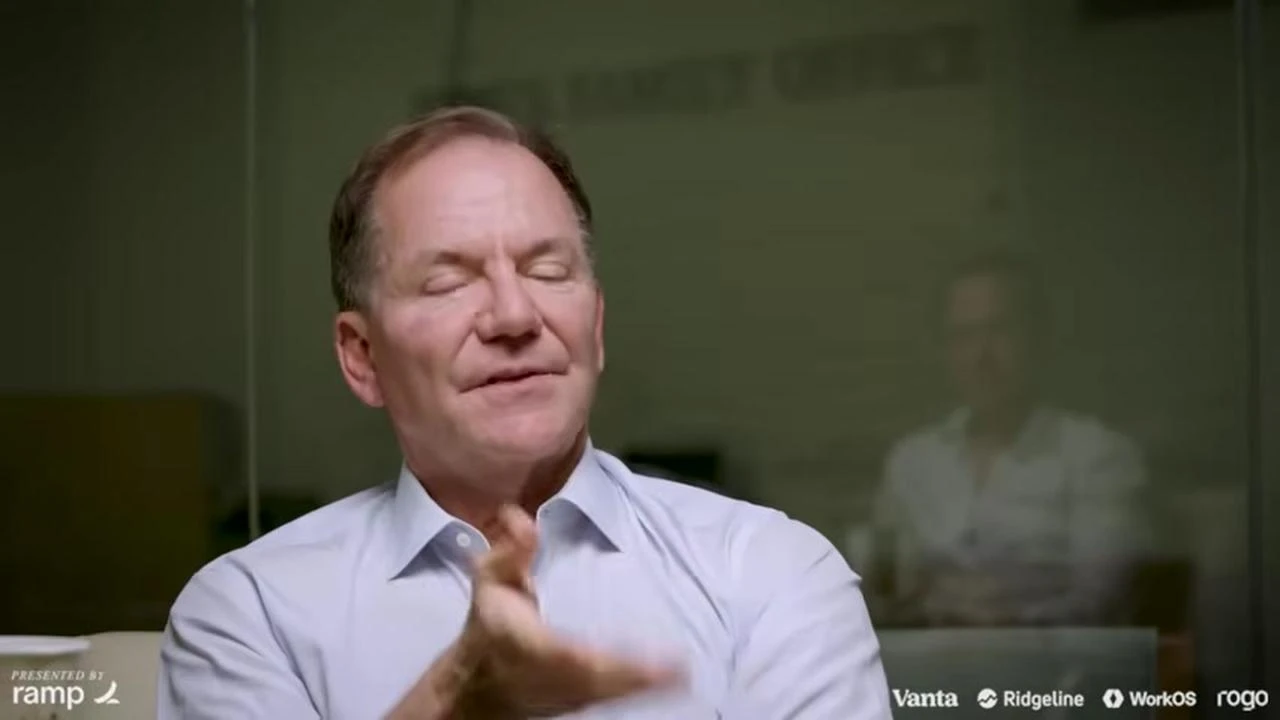
In this compelling narrative, a seasoned trader reflects on a lifetime of lessons, from a profound childhood act of kindness to the intricacies of financial markets and the looming challenges of artificial intelligence. He shares personal anecdotes, career insights, and philosophical musings, revealing how these experiences shaped his approach to life, business, and philanthropy, all while emphasizing the enduring power of human connection and purpose.
The speaker opens by contrasting the long-term, trend-riding investment strategy with Warren Buffett's value investing approach. He confesses his past tendency to criticize Buffett, seeing his success as merely being in the right place at the right time. This sets up a deep dive into the different philosophies of wealth creation, hinting at a later, more profound realization about Buffett's genius. The discussion quickly pivots to the importance of a single act of kindness that profoundly impacted his life.
The ripple effect of this kindness continued to unfold in unexpected ways.
2 / 20
A Child Lost, A Stranger's Kindness
He recounts a vivid childhood memory at two and a half years old, where he became separated from his mother at a bustling outdoor vegetable market. Overwhelmed by fear and crying, he was approached by an elderly black gentleman. This man's simple question, 'What's the matter, little boy?' and his subsequent gentle reassurance and search for his mother, left an indelible mark on the speaker's young mind, becoming his very first childhood memory and shaping his understanding of compassion.
Years later, this memory resonated deeply during a pivotal television broadcast.
3 / 20
Mother's Gratitude, A Lifelong Prayer
Upon being reunited, his mother, overwhelmed with relief, tried to offer the kind stranger five dollars, a significant sum in 1957. The man's refusal, stating he knew she would do the same for his child, further highlighted the depth of his compassion. That night, the speaker's mother added the man, whose name she never learned, to their nightly prayer list. For the next 10-12 years, the speaker's family prayed for this anonymous benefactor, repeating his name thousands of times, demonstrating the lasting power of his selfless act.
Inspired, the speaker embarked on his own philanthropic journey.
4 / 20
Eugene Lang's Promise, A Program's Birth
Fast forward to 1986, the speaker, then 32, watched 60 Minutes. He saw Harry Reasoner interview Eugene Lang, a businessman who had returned to his old elementary school in Harlem to give a commencement address. Lang promised every graduating 6th grader that if they finished high school, he would pay for their college. This powerful story immediately struck a chord with the speaker, echoing the kindness he experienced as a child and igniting a desire to make a similar impact.
However, this noble endeavor faced harsh realities and unexpected challenges.
5 / 20
Bed-Stuy Dreams: From Promise to Program
Inspired by Eugene Lang, the speaker called him the next day and, despite Lang's initial concerns, launched his own 'I Have a Dream' program in Bed-Stuy. He committed to putting a class of 12-year-olds through college if they graduated high school, dedicating himself to the program for the next 14 years. This journey included after-school programs, sports, and teaching life skills, fostering a deep passion for education and community upliftment in one of New York's most challenging neighborhoods.
These early struggles taught him an invaluable lesson about success and strategy.
6 / 20
Challenges and Growth: Learning from Failure
Three years into the program, the speaker realized the kids weren't thriving academically, leading him to hire tutors. As years passed, the challenges intensified: one student was killed, and several girls became teen mothers. He quickly learned that academic support alone wasn't enough; he needed to address complex social issues too. This period was a profound lesson in failing forward, teaching him that true impact required more than just good intentions—it demanded adaptability, resilience, and a deep understanding of the systemic challenges his students faced.
This profound lesson extended beyond philanthropy, influencing his understanding of the financial world.
7 / 20
Passion Isn't Enough: The Power of Pedagogy
His 'I Have a Dream' program, despite immense passion, initially lacked a structured approach. It was a journey of learning that passion alone cannot guarantee success; there must be a clear plan, a great pedagogy, and a well-defined strategy. This critical realization transformed his program, leading him to recruit top educators and achieve significant success, proving that even with the best intentions, measurable outcomes require meticulous planning and execution.
This discussion of life's purpose brings him back to the world of finance, contrasting different approaches to wealth.
8 / 20
Waves of Kindness: A Ripple Effect
The speaker emphasizes that the simple act of kindness he received as a child had 'waves of betterment' that continued to influence his life and choices. He believes that one act of kindness can be profoundly transformative and multiplicatively beneficial, generating endless positive outcomes. This core belief became a guiding principle, inspiring his own acts of philanthropy and reinforcing the idea that deliberate, small acts of compassion can lead to significant, lasting societal change. He reflects on how transformative it would be if everyone adopted this philosophy daily.
This volatile period taught him crucial lessons about risk and liquidity.
9 / 20
Trading vs. Investing: A Contrasting Philosophy
The speaker transitions to a core theme: the fundamental difference between investing and trading. He recounts starting his career in 1976 amidst raging inflation, trading commodities where prices doubled and halved annually, experiencing insane volatility. He highlights the story of Bunker Hunt, who cornered the silver market with 200 million ounces purchased at $3.50. This era epitomized the trader's high-stakes, volatile world, far removed from the stable, long-term approach of traditional investing.
These stark realities brought him to a profound re-evaluation of his financial idols.
10 / 20
Bunker Hunt's Fall: The Cost of Illiquidity
Bunker Hunt's silver position surged to $50 an ounce, making him worth billions, but the Comex exchange eventually moved to liquidation-only, causing silver to collapse. Hunt went from being the richest man to virtually bankrupt in just weeks, highlighting the devastating impact of illiquidity in a highly leveraged position. This searing experience ingrained in the speaker the principle: never trust anything for the rest of his life, echoing his grandfather's wisdom, 'you're only worth what you can write a check for tomorrow.'
This newfound appreciation for long-term strategies, however, was quickly overshadowed by a new, pressing concern: AI.
11 / 20
Apology to Buffett: Compound Interest Genius
The speaker dramatically reveals his past dismissiveness of Warren Buffett, considering him merely lucky. However, after listening to a podcast on Berkshire Hathaway, he experienced a revelation: at just nine years old, Buffett understood the power of compound interest. This realization completely changed his perspective, causing him to deeply apologize for his earlier judgments and recognize Buffett as a true genius, whose approach to long-term value creation was far more profound than mere market timing.
This alarming prognosis calls for immediate and decisive action.
12 / 20
AI's Existential Threat: Unregulated Progress
The speaker transitions to the critical threat posed by Artificial Intelligence. He expresses deep alarm, likening current AI development to a 'build, break, iterate' model where the potential for catastrophic damage could affect billions of lives. He argues that the rapid, unregulated nature of AI advancement, with new models emerging almost daily, is creating a dangerously disturbing future. He highlights a conference where experts admitted that serious action on AI safety might only occur after 50-100 million people die in an accident.
The discussion then turns to an even more fundamental philosophical shift: the future of human existence itself.
13 / 20
Regulating AI: A Global Imperative
He passionately argues for immediate AI regulation, starting with demanding that all AI-generated content be watermarked as a felony if violated. He stresses the critical need for political leadership, not just in the US but globally, to convene with countries like China to ensure AI development doesn't lead to catastrophic consequences. He fears the profound social disruption and economic shifts, particularly in the workforce, that unregulated AI could bring, emphasizing the need to restore trust in what is authentically human versus what is AI-generated.
This existential threat contrasts sharply with the calculated risks of his daily profession.
14 / 20
The Blended Future: Human-Machine Identity
The speaker discusses a chilling vision from an AI conference: a future where humanity has chips in their brains, accessing vast knowledge. He ponders the implications of a 'blended human with a machine' and whether this is a desirable future. He expresses strong opposition, believing that most humans would vote no to such a future. This raises fundamental questions about identity, control, and the potential erosion of what it means to be human if decisions are made without public consent, driven by a technologically advanced but potentially disconnected elite.
This relentless fight in the markets, however, comes with its own set of dangers, especially when combined with larger economic forces.
15 / 20
A Trader's Life: Boxing the Markets
Trading, to him, is like boxing: you enter the ring knowing the market is your opponent. He describes the deliberate strategy of 'pairing, jabbing, feeling out' the market, looking for opportune moments to land a 'big shot,' like Bitcoin in 2020 or two-year rates in 2022. This involves constantly gathering information, waiting patiently for imbalances, and knowing when to execute a significant move. The goal is always to make progress in each round, but capitalize on those few, truly material opportunities.
Navigating such volatile landscapes demands immense discipline and an almost superhuman routine.
16 / 20
Bubbles and Leverage: A Looming Crisis
The speaker reflects on historical market crashes—1987, Long-Term Capital Management in 1998, the dot-com bubble in 2000, and the 2008 financial crisis—all driven by excessive leverage and derivatives. He warns that the current market, with stock market cap at 252% of GDP (compared to 65% in 1929), is 'over-equitized' and precariously leveraged. He foresees a potentially massive 'reverse wealth effect' if asset prices decline, severely impacting tax revenues and the bond market, creating a 'troubling' environment.
This intense existence is sustained by a deep philosophical core, shaped by pivotal life lessons.
17 / 20
Discipline and Drowning: A Trader's Daily Grind
He details his rigorous daily routine: waking at 4:30 AM, working, intense cardio, then trading during market open. He describes the information overload, receiving 800-1000 emails daily, necessitating extreme focus and intentionality to discern 'actionable' information. He laments how 'a lot, lot harder' trading has become due to this constant deluge, distracting him from 'exquisite execution.' He highlights the need to be present and focused 'every minute' to identify critical market turning points.
This commitment to helping others led directly to one of his most significant ventures.
18 / 20
Eli Tulus, Kindness, and Finding Joy
The speaker reflects on lessons from his mentor, Eli Tulus, who mastered executing trades at the 'maximum apogee of fear and greed.' He then shifts to a profound life philosophy, inspired by his Australian wife and a doctor's advice: 'You retire, you die.' This cemented his commitment to lifelong engagement and mental sharpness, which trading provides. He also emphasizes that he wants to make 'a pot of money' not for himself, but to give away, connecting his pursuit of wealth to a 'pursuit of nobility' through philanthropy.
His final words offer a powerful, yet simple, guide to navigating life's complexities.
19 / 20
Robin Hood's Genesis: A Mission to Serve
The Robin Hood Foundation was born the day after the 1987 market crash, fueled by his conviction that a depression was imminent and the need to address rampant poverty. He applied basic business principles to philanthropy, learning through trial and error. The key, he found, was recruiting the best talent from the financial world, as well as ordinary individuals who wanted to 'give back.' The 1990s, especially, saw an outpouring of philanthropic spirit, fostering a community dedicated to meaningful change.
His ultimate life advice, echoing his mother's teaching, is to 'kill 'em with kindness.' He encourages listeners to intentionally seek out one simple act of kindness each day. By consistently repeating these acts, kindness becomes a natural, instinctive part of one's being, brightening one's own life and that of others. He believes this is the true secret to happiness, allowing individuals to overcome negativity and contribute to a better world, leaving a powerful legacy of positive impact through everyday deeds.
Ultimately, his journey underscores the profound impact of intentional kindness and the continuous search for meaning beyond financial success. He champions the pursuit of a life dedicated to family, friends, and serving others, asserting that these acts, whether grand or simple, are the true measure of a well-lived life, especially as humanity navigates the complexities of a rapidly evolving world.